Women's Health Screenings: Essential Tests for Every Age Group

Whether you’re busy taking care of your family or juggling multiple priorities, every woman should make time for healthy habits. But staying healthy isn’t just about eating right or getting enough sleep. You should also go for regular health screenings.
By looking after yourself, you can enjoy good health for many years to come and focus on what matters most.
As your health needs change with age, here are some important health screening tests to consider and discuss with your doctor. You can also include these tests in your preferred health screening package:
From 18 Onwards
Blood Pressure Test for High Blood Pressure
High blood pressure places additional strain on your arteries and heart. If left uncontrolled, it can damage the arteries over time and increase your risk of heart attack and stroke.
Adults aged 18 and above should have their blood pressure checked once every two years. Depending on your initial reading and individual risk factors, your doctor may recommend more frequent checks.
Your blood pressure reading consists of two components:
- Systolic blood pressure (top number): Measures the pressure in your arteries when your heart beats.
- Diastolic blood pressure (bottom number): Measures the pressure in your arteries when your heart rests between beats.
Here’s a quick look at the different blood pressure categories and corresponding readings:
| Systolic Blood Pressure (Top Number) in mmHG | Diastolic Blood Pressure (Bottom Number) in mmHG | Category |
|---|---|---|
| Below 130 | Below 85 | Normal |
| 130 to 139 | 85 to 89 | High normal |
| 140 or higher | 90 or higher | High blood pressure |
You may need to have your blood pressure checked more frequently if your readings are elevated or if you have risk factors such as diabetes.
Recommended Health Screening Package: Raffles Classic
From Your 20s
Pap Smear for Cervical Cancer
Women who have ever had sexual activity are at risk of infection with human papillomavirus (HPV), a virus that can cause precancerous changes in the cervix that may develop into cervical cancer.
Women aged 25 to 29 who have ever had sexual activity are recommended to undergo a Pap test once every three years. The Pap test checks cervical cells for abnormal changes that may be precancerous.
From age 30 onwards, HPV testing is recommended once every five years to detect high-risk, cancer-causing HPV strains.
HPV vaccination is also recommended for females aged 9 to 26. However, vaccination does not replace regular cervical cancer screening.
Recommended Health Screening Package: Raffles Core (For Ladies)
From Your 30s
HPV Testing for Cervical Cancer
From age 30 onwards, women are recommended to undergo HPV testing once every five years. The test detects high-risk HPV strains that can cause cervical cancer and helps determine your risk of developing the disease.
If you test positive for HPV, your doctor may recommend further evaluation or follow-up depending on your results. If your results are negative, you should generally repeat the HPV test after five years.
Recommended Health Screening Packages: Raffles Essential (For Ladies) or Raffles Advanced (For Ladies)
From Your 40s
Fasting Blood Glucose Test for Diabetes
An unhealthy diet and sedentary lifestyle can increase your risk of diabetes. Diabetes is a chronic condition that can lead to complications such as vision problems, nerve damage, kidney disease, heart disease and limb problems if it is not well managed.
Adults aged 40 and above are recommended to undergo diabetes screening once every three years. Screening can include a fasting blood glucose test or HbA1c test. Those with risk factors may need to start screening earlier or undergo screening more frequently.
If a fasting blood glucose test is required, you will need to fast beforehand according to your healthcare provider’s instructions.
Fasting Lipid Blood Test for High Cholesterol
Maintaining healthy cholesterol levels can reduce your risk of heart disease and stroke. Getting your cholesterol levels checked becomes increasingly important as you get older, as the risk of cardiovascular disease increases with age.
Two commonly measured types of cholesterol are:
- Low-density lipoprotein (LDL): Often referred to as “bad” cholesterol. High levels can contribute to plaque build-up in the arteries.
- High-density lipoprotein (HDL): Often referred to as “good” cholesterol because it helps transport excess cholesterol away from the arteries.
What constitutes a healthy cholesterol level varies from person to person. Those at higher risk of cardiovascular disease may need to maintain lower LDL cholesterol levels.
As a general guide, healthy adults may have the following cholesterol levels:
- Total cholesterol: Below 200mg/dL or 5.2mmol/L
- LDL cholesterol: Below 130mg/dL 3.3 mmol/L
- HDL cholesterol: Above 40mg/dL or 1.0mmol/L
You may need to have your cholesterol levels checked regularly, with the frequency depending on your individual risk factors and your doctor's advice. Adults aged 40 and above are generally recommended to undergo screening for high blood cholesterol once every three years.
You may need to start getting tested at a younger age or undergo screening more frequently if you:
- Are at higher risk of heart disease
- Lead a sedentary lifestyle
- Have a family history of premature heart disease
- Have a strong family history of hypercholesterolaemia
Recommended Health Screening Package: Raffles Advanced (For Ladies)
From Your 50s
Mammogram for Breast Cancer
Breast cancer is one of the most common cancers among women in Singapore. Regular mammography can help detect breast cancer early.
A mammogram is a low-dose X-ray that produces images of the breast and can help detect breast cancer at an early stage.
Women aged 50 and above are recommended to undergo mammography once every two years. Women aged 40 to 49 may also consider annual mammography after discussing the benefits and limitations of screening with their doctor.
If you have a strong family history of breast cancer or other risk factors, your doctor may recommend starting screening earlier or undergoing screening more frequently.
Faecal Occult Blood Test or Colonoscopy for Colorectal Cancer
Colorectal cancer is one of the most common cancers among women in Singapore, and the risk increases with age. Regular screening can help detect colorectal cancer early.
For average-risk individuals, colorectal cancer screening should begin at age 50. Screening options include an annual Faecal Immunochemical Test (FIT) or a colonoscopy every five to 10 years.
Faecal Occult Blood Test (FOBT)
The FIT checks stool samples for small amounts of blood that may not be visible to the naked eye. If the result is positive, your doctor may recommend further evaluation, such as a colonoscopy, to determine the cause of the bleeding.
For average-risk individuals, FIT screening should generally be done annually.
Colonoscopy
A colonoscopy involves using a flexible tube with a small camera to examine the lining of the colon and rectum for abnormalities. Polyps and tissue samples can also be removed during the procedure.
For average-risk individuals, colonoscopy screening can generally be repeated every five to 10 years, depending on your doctor's recommendation and findings.
You may need to get screened earlier or more frequently if:
- You or a close relative has had colorectal polyps or colorectal cancer.
- You have inflammatory bowel disease, such as Crohn’s disease or ulcerative colitis.
- You have a genetic condition such as familial adenomatous polyposis (FAP) or Lynch syndrome.
Eye Examination for Glaucoma
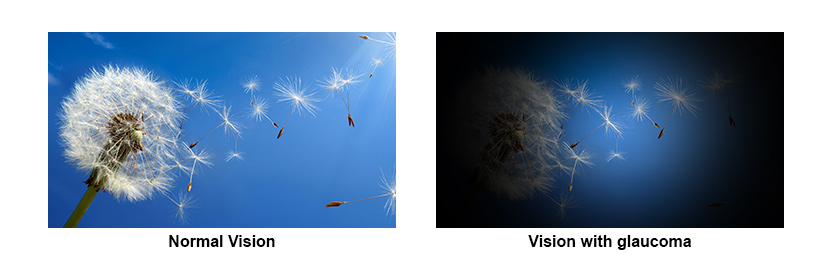
Commonly known as the “silent thief of sight”, glaucoma can cause irreversible damage to the optic nerve. Early vision loss is often peripheral and may not be noticeable. As the condition progresses, central vision and reading may also be affected.
You may not experience symptoms until the disease reaches a later stage, by which time significant vision loss may have occurred.
Risk factors for glaucoma include:
- Age: Your risk increases as you grow older.
- Chronic diseases: Diabetes and high blood pressure may increase your risk.
- Ethnicity: Asians may have a higher risk of certain types of glaucoma.
- Previous eye injuries.
- Family history of glaucoma.
- Use of corticosteroids.
- High intraocular pressure.
- Refractive error: People with myopia (short-sightedness) may be at higher risk of open-angle glaucoma, while those with hyperopia (long-sightedness) may be at higher risk of angle-closure glaucoma.
If you fall into any of these risk categories, you may wish to discuss glaucoma screening with your doctor and consider including an eye examination in your health screening package.
Recommended Health Screening Package: Raffles Insight (For Ladies) or Raffles Signature (For Ladies)
From Your 60s
Bone Density Test for Osteoporosis
Osteoporosis is a condition that causes bones to become weaker and less dense, increasing the risk of fractures. Osteoporosis-related fractures most commonly occur in the hip, wrist or spine.
Women are more prone to osteoporosis, particularly after menopause, as declining oestrogen levels can accelerate bone loss.
Besides age, factors that may increase your risk of osteoporosis include:
- Race: Certain ethnic groups, including Asians and Caucasians, may have a higher risk of osteoporosis.
- Family history: Having a family member with osteoporosis, particularly a parent who experienced a hip fracture, may increase your risk.
- Body frame size:Those with smaller body frames may have a higher risk because they tend to have less bone mass.
A Bone Mineral Density (BMD) test, also known as a DEXA scan, can help assess bone mineral density and fracture risk. BMD testing is recommended for people who are at risk of osteoporosis, including high-risk women.
Your healthcare provider can advise whether a BMD test is appropriate for you based on your age and individual risk factors.
Recommended Health Screening Package: Raffles Pinnacle (For Ladies)
With the number of tests available in a health screening package, it may be difficult to find a suitable package. By knowing more about the health screenings you may need at different stages of life, you can narrow down the choices available and select a package that meets your needs.