Is Your Bone Health at Risk?
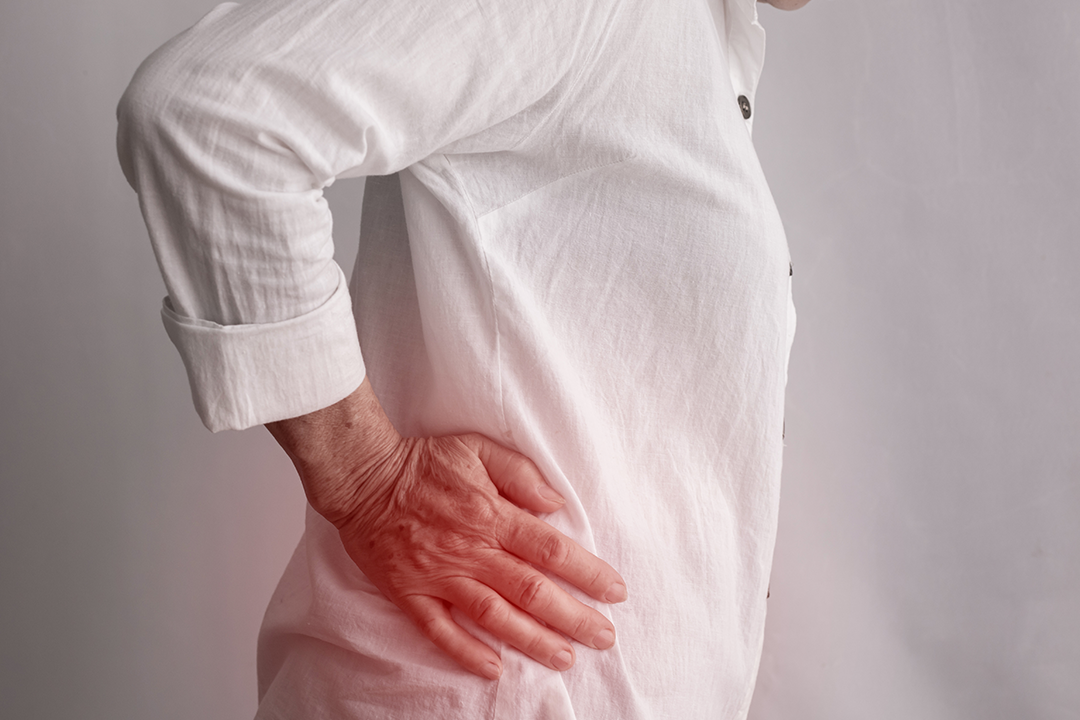
Around 200 million women worldwide suffer from osteoporosis, a bone disease marked by low bone density. This condition causes bones to become weak and brittle, making them more prone to fractures compared to those of healthy adults. Even a minor fall or bump can result in a serious injury for those affected.
Osteoporotic fractures are expected to rise significantly in Singapore in the coming years, particularly with its ageing population. According to the International Osteoporosis Foundation (Singapore), osteoporotic fractures are projected to rise significantly by 2035. Among women, cases are expected to grow by 60.7%, while cases in men may increase by 51.2%.¹
What is osteoporosis and how can we prevent it?
Like most conditions, osteoporosis typically presents no signs or symptoms in its early stages. In later stages, symptoms may include a reduction in height or an increased tendency to suffer fractures. These fractures most commonly occur in the spine, hip, and wrist.
The risk of osteoporosis increases with age. It occurs when bone loss happens faster than bone formation. Most adults reach peak bone mass between the ages of 25 and 30. In women, bone loss usually begins after age 50, and after age 65 in men.
Who is at risk of osteoporosis?
Post-menopausal women, individuals aged 65 and above, smokers, those who are underweight, and people who consume excessive alcohol are at higher risk of developing osteoporosis.
During menopause, oestrogen levels in the body decline. Since oestrogen helps protect bone strength, its reduction is linked to significant bone loss. Women can help maintain bone health by ensuring adequate intake of calcium and vitamin D.
Getting adequate calcium
Healthy adults aged 19 to 50 require around 800mg of elemental calcium daily to maintain strong bones. Those aged 51 and above should aim for 1,000mg daily. A national nutrition survey by the Health Promotion Board (2010) found that the average Singaporean consumes about 794mg of calcium per day.
Sources of calcium
A balanced diet should include calcium-rich foods such as dairy products, tofu, and dark green leafy vegetables. Vitamin D sources include oily fish like sardines, tuna, and salmon, as well as egg yolks.
Calcium supplements may be considered for individuals who are unable to meet their daily calcium needs through diet alone. These supplements come in various forms, including calcium carbonate, calcium citrate, gluconate, lactate, and phosphate.
When choosing supplements, it is important to read the label carefully and note the amount of elemental calcium (the actual absorbable calcium content), as well as its source. Labels typically indicate the percentage of recommended daily intake provided.
Before starting any new supplements, individuals should consult their family physician, especially if they have existing medical conditions or are on long-term medication.
Staying active and healthy
Prevention of osteoporosis should begin early in life. Building strong bones during childhood and adolescence to achieve optimal peak bone mass is key to reducing risk in later years.
Apart from a balanced diet with sufficient calcium, regular weight-bearing exercise, at least 15 minutes of daily sunlight exposure to support vitamin D production, and limiting smoking and alcohol intake can all help maintain bone health.
A thoughtful Mother’s Day reminder
With Mother’s Day approaching, it is a timely reminder to care for the women who have always cared for us. Supporting mum’s bone health can be as simple as encouraging a balanced diet or considering calcium and vitamin D supplementation if necessary. Small gestures like this can help support her long-term wellbeing and ensure care where it's needed most.
The article is reviewed by Dr Derek Li, Family Physician, Raffles Medical
¹Reference: Chandran M et al. (2019). The health and economic burden of osteoporotic fractures in Singapore. Archives of Osteoporosis.